
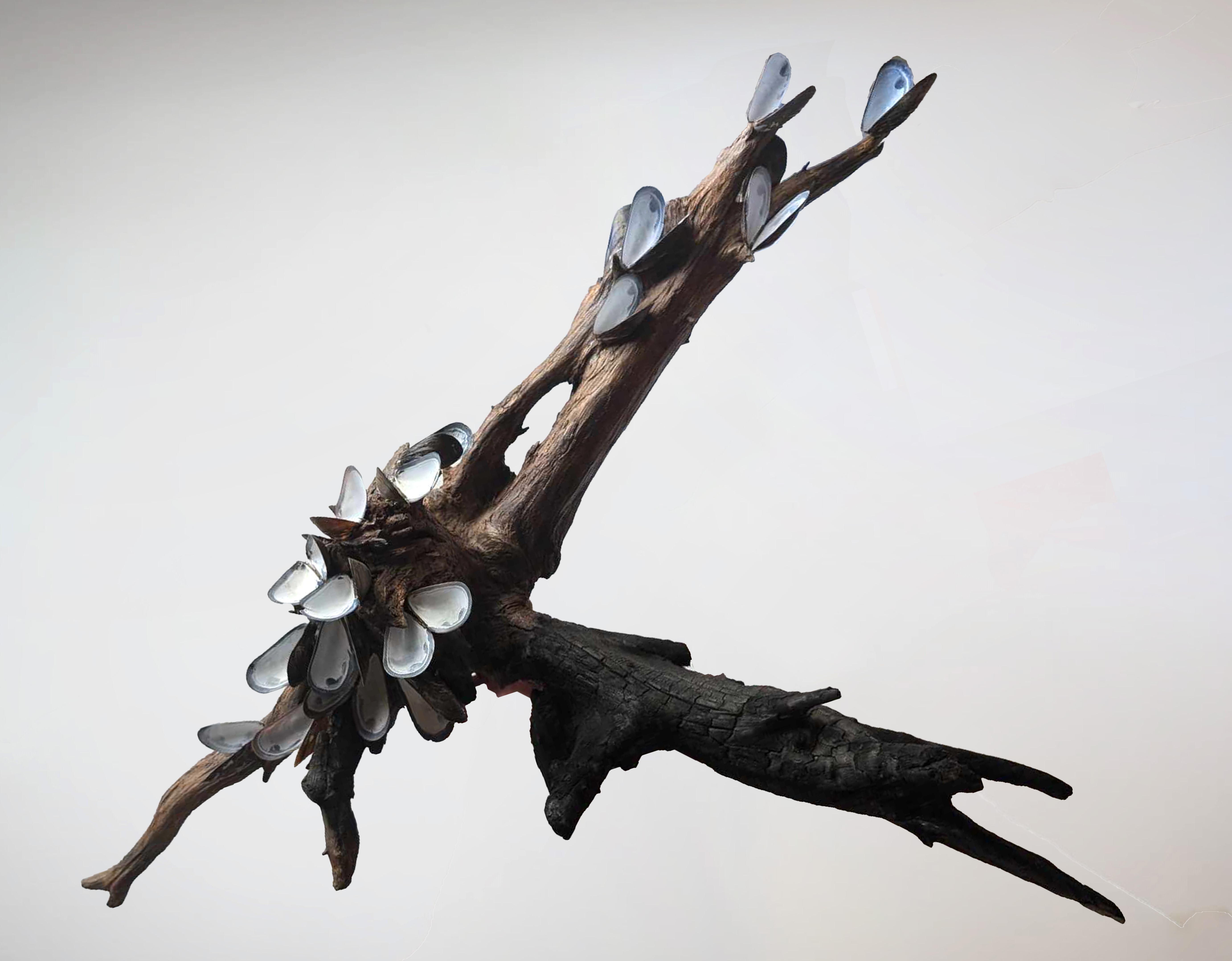
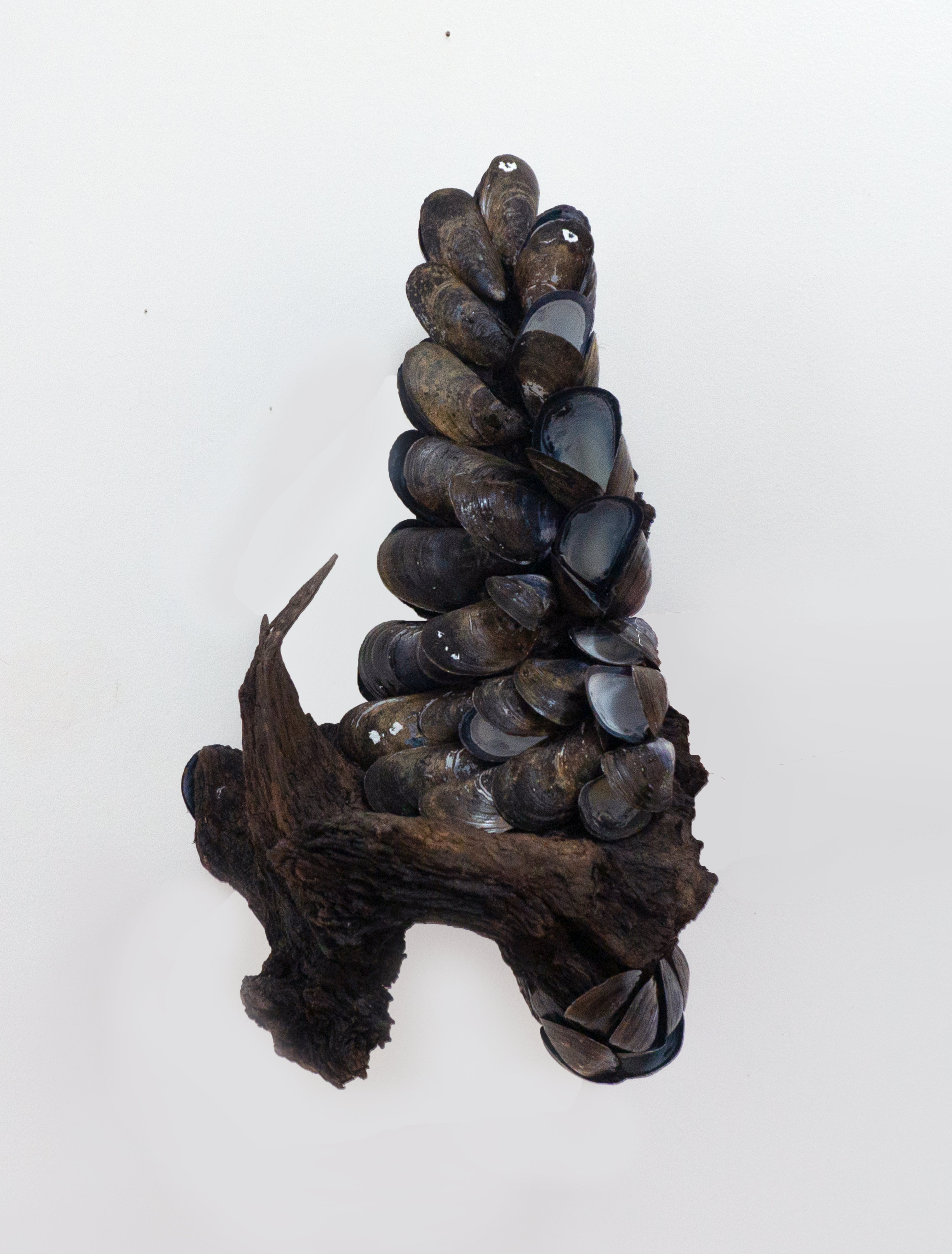
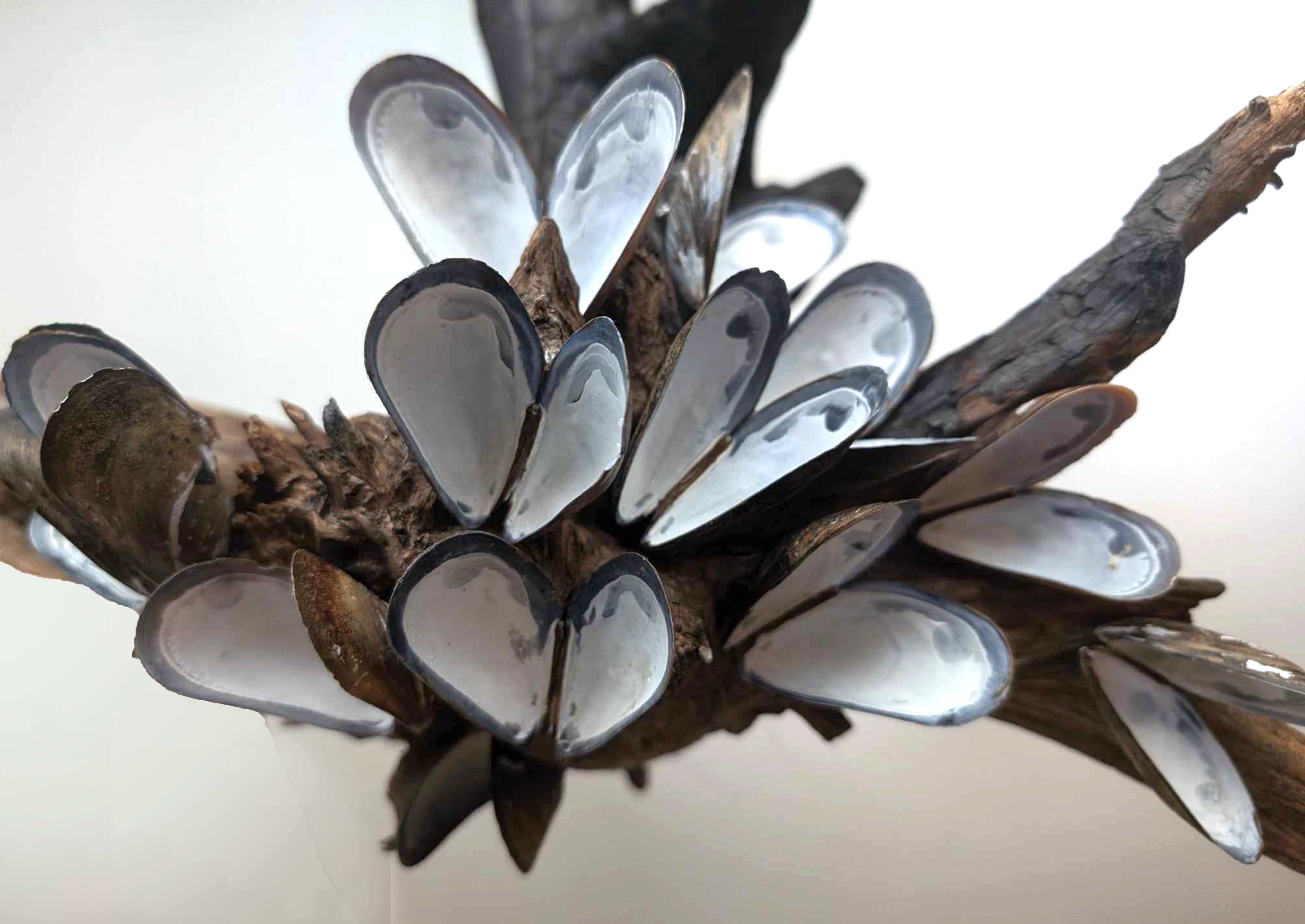
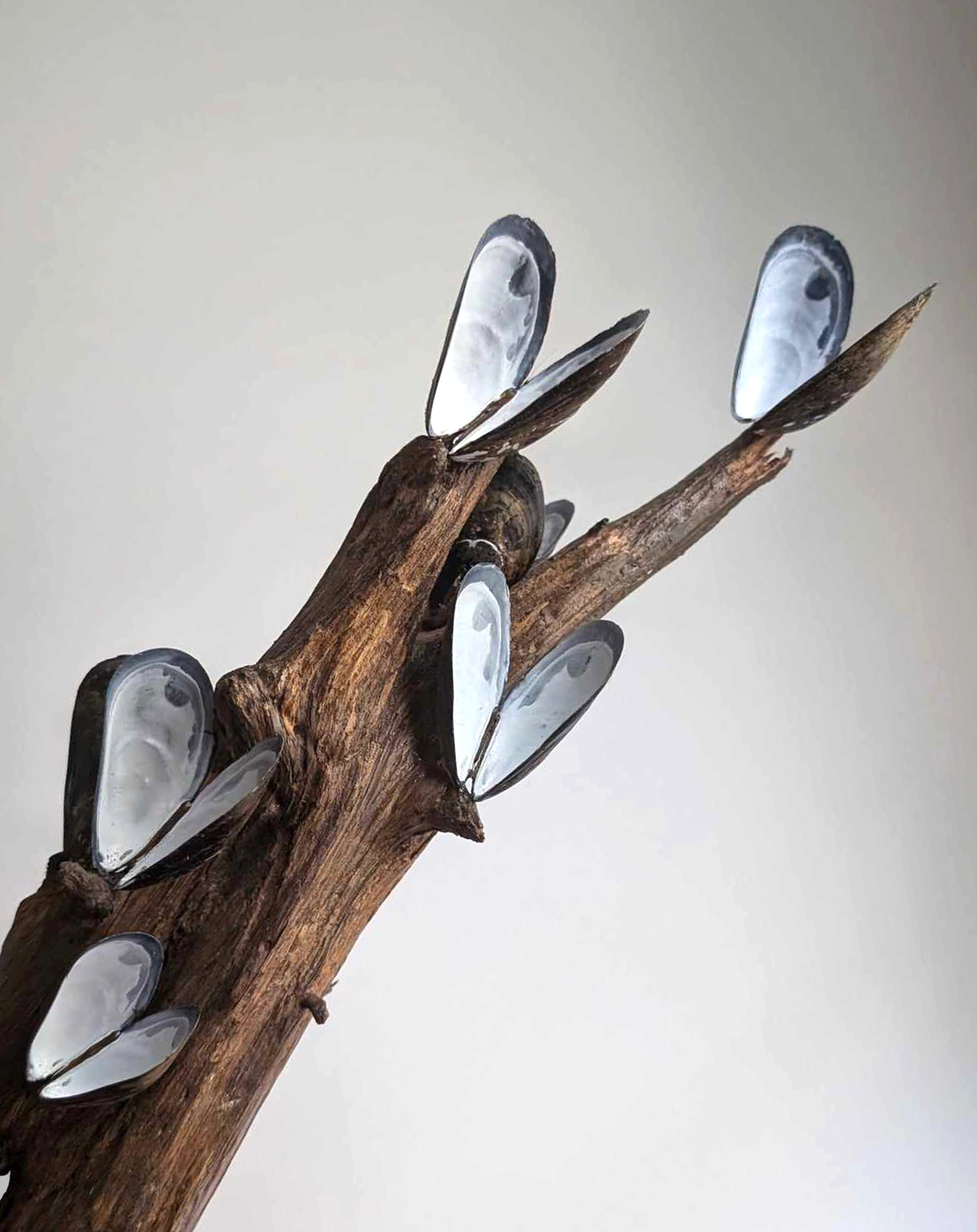
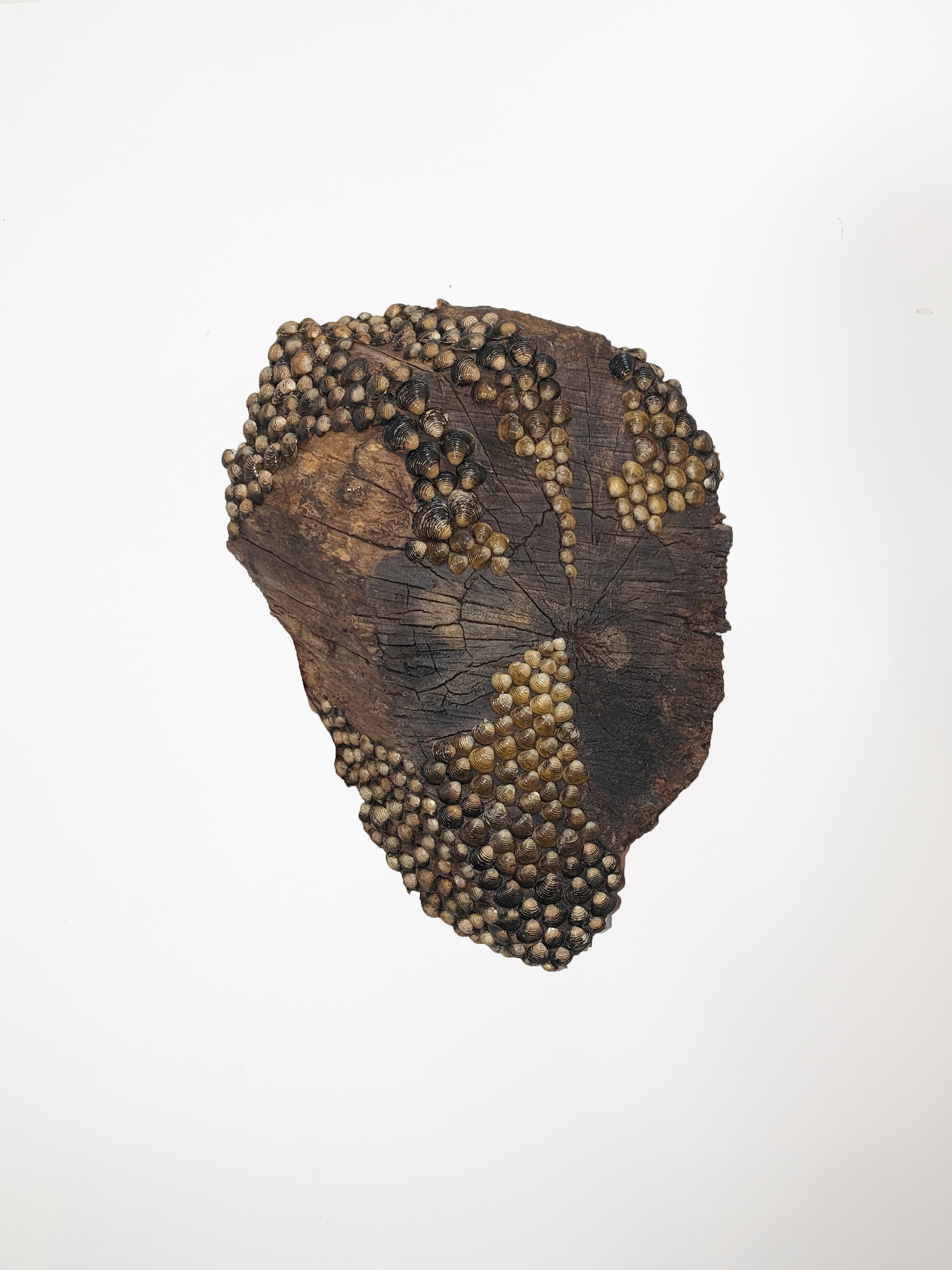
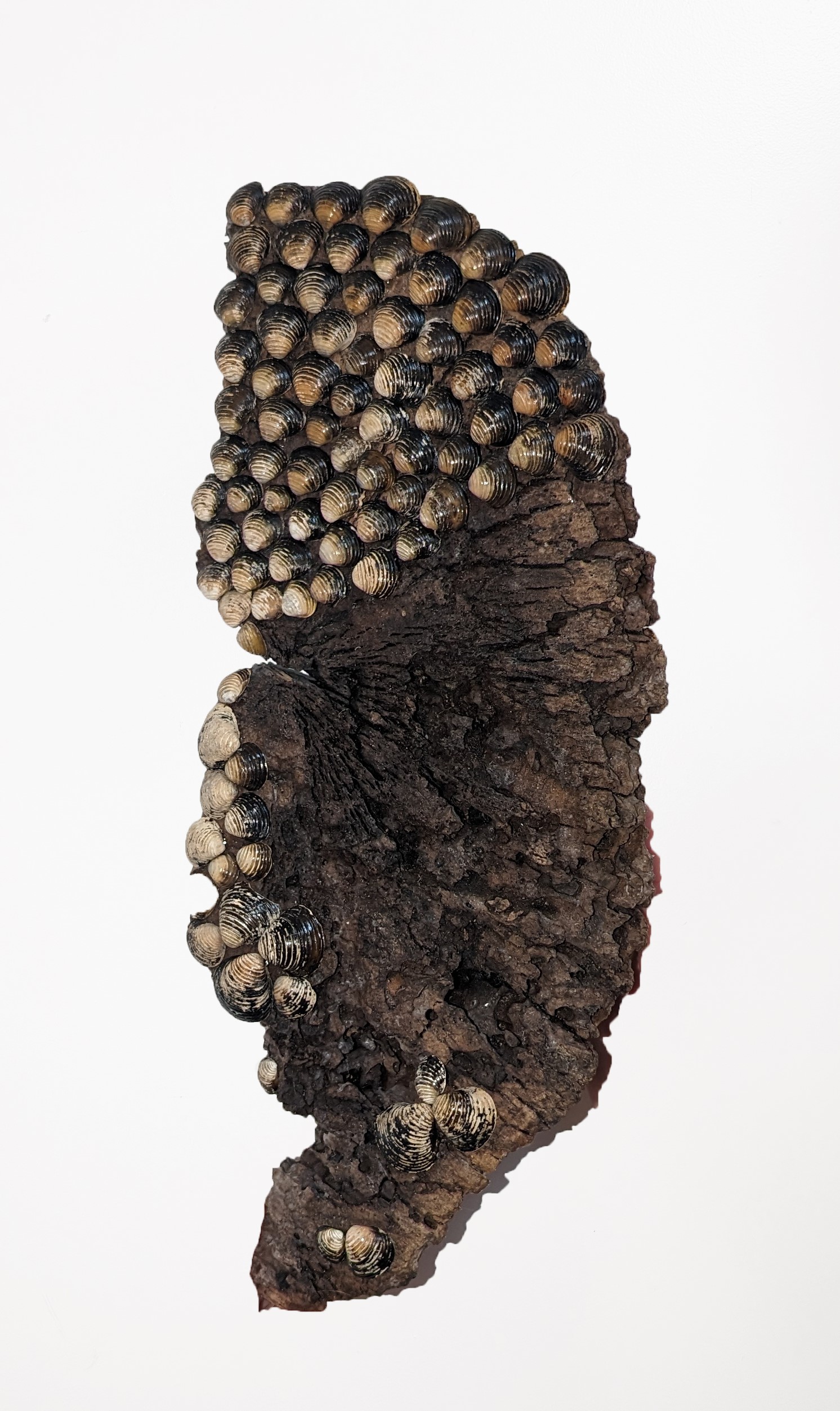
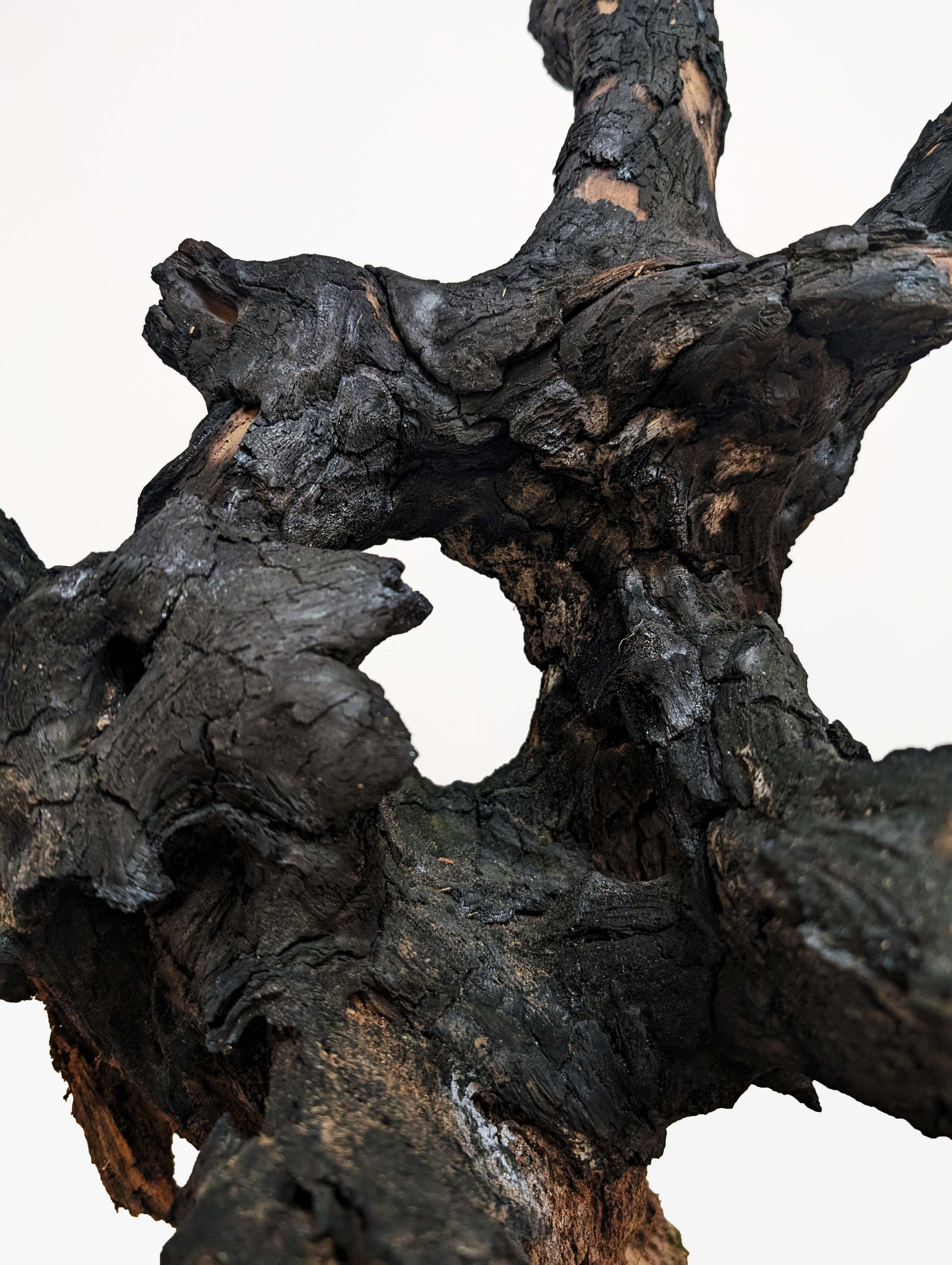
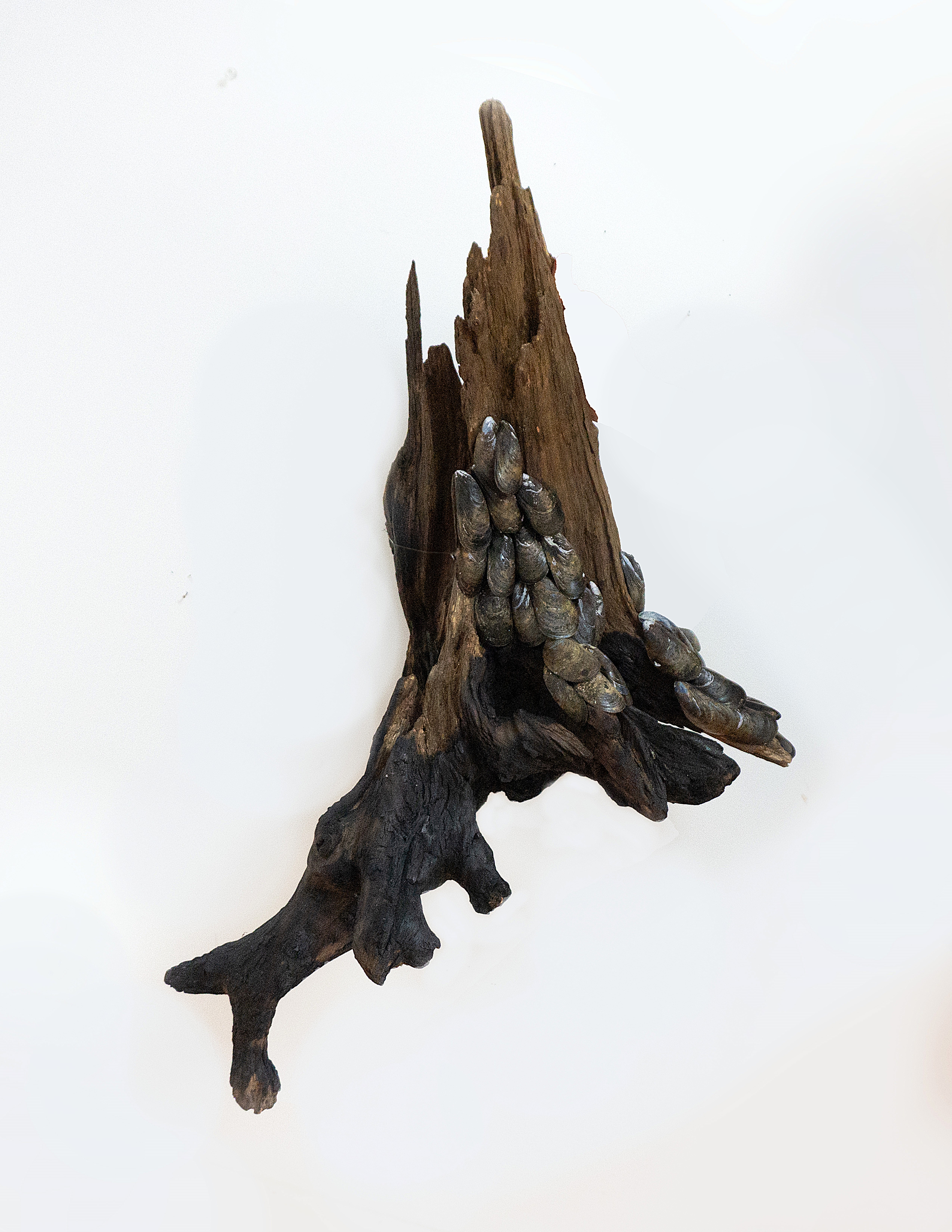
These sculptures are part of Archives of the Altamaha, a multi-media body of work based on a series of love letters between two monsters native to the Georgia/Florida region.
In love and separated by geography, Alti and Esti long for one another from a distance, sharing their fears, memories, discoveries, and desires. In doing so, their letters record the changing landscapes they inhabit—the aftermath of swamp fires, the remnants of oil spills, the construction of a nuclear power plant, and human encroachment on their habitats. Their correspondence challenges the line between invasive and endangered, defines love beyond gender and time, and finds parallels in different forms of extinction.
These sculptures were supported by the 2023-2024 Creative Careers Residency at the University of Michigan.
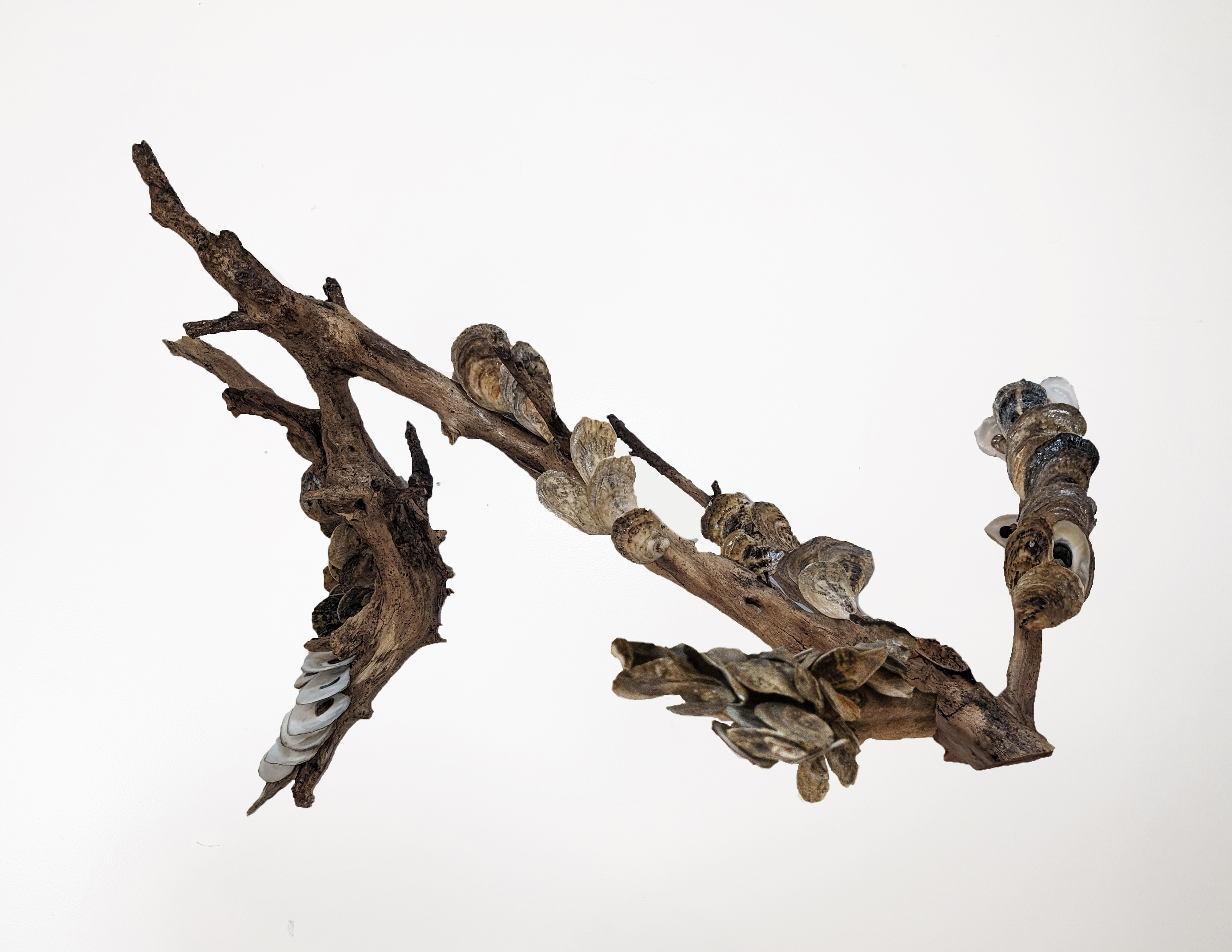
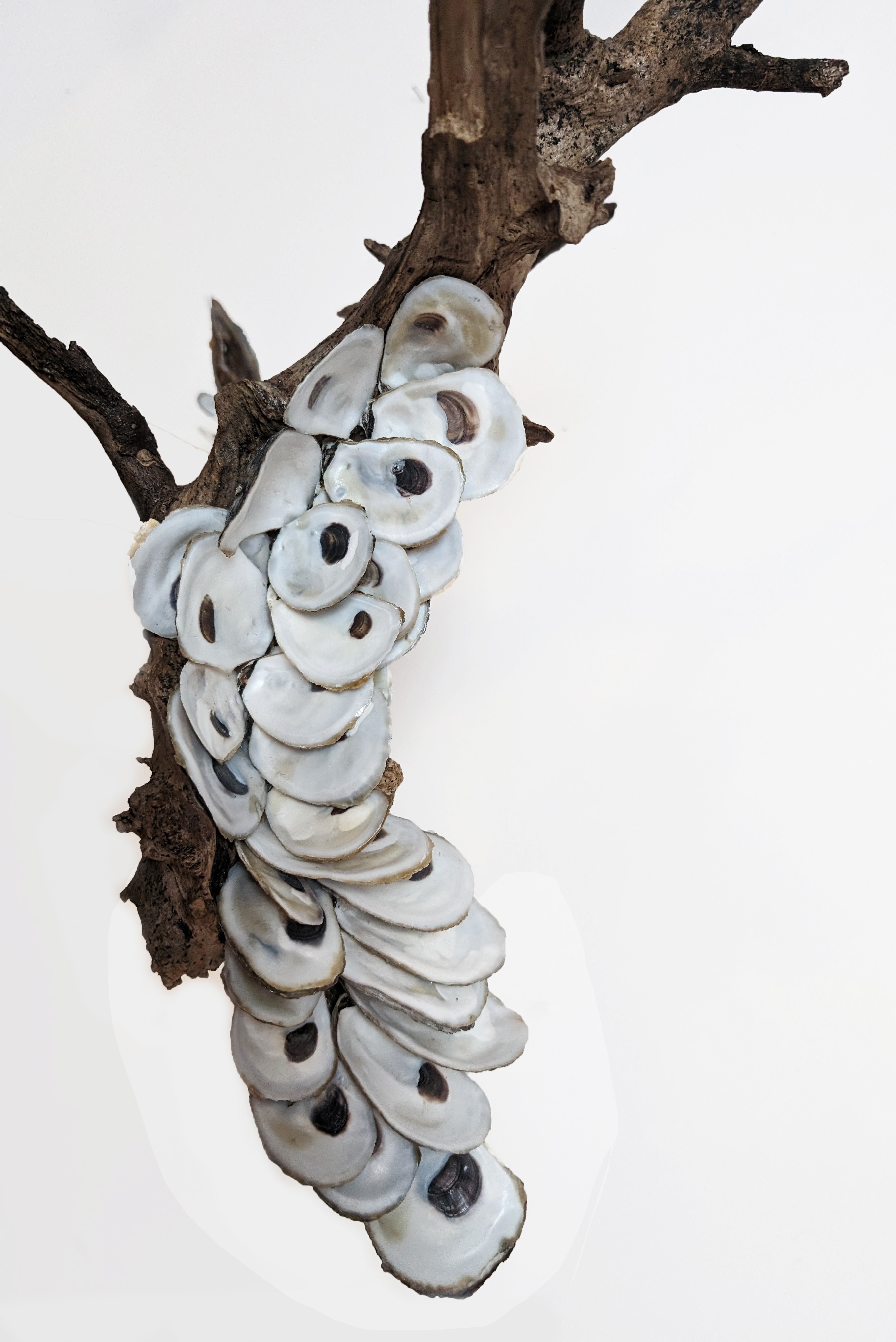
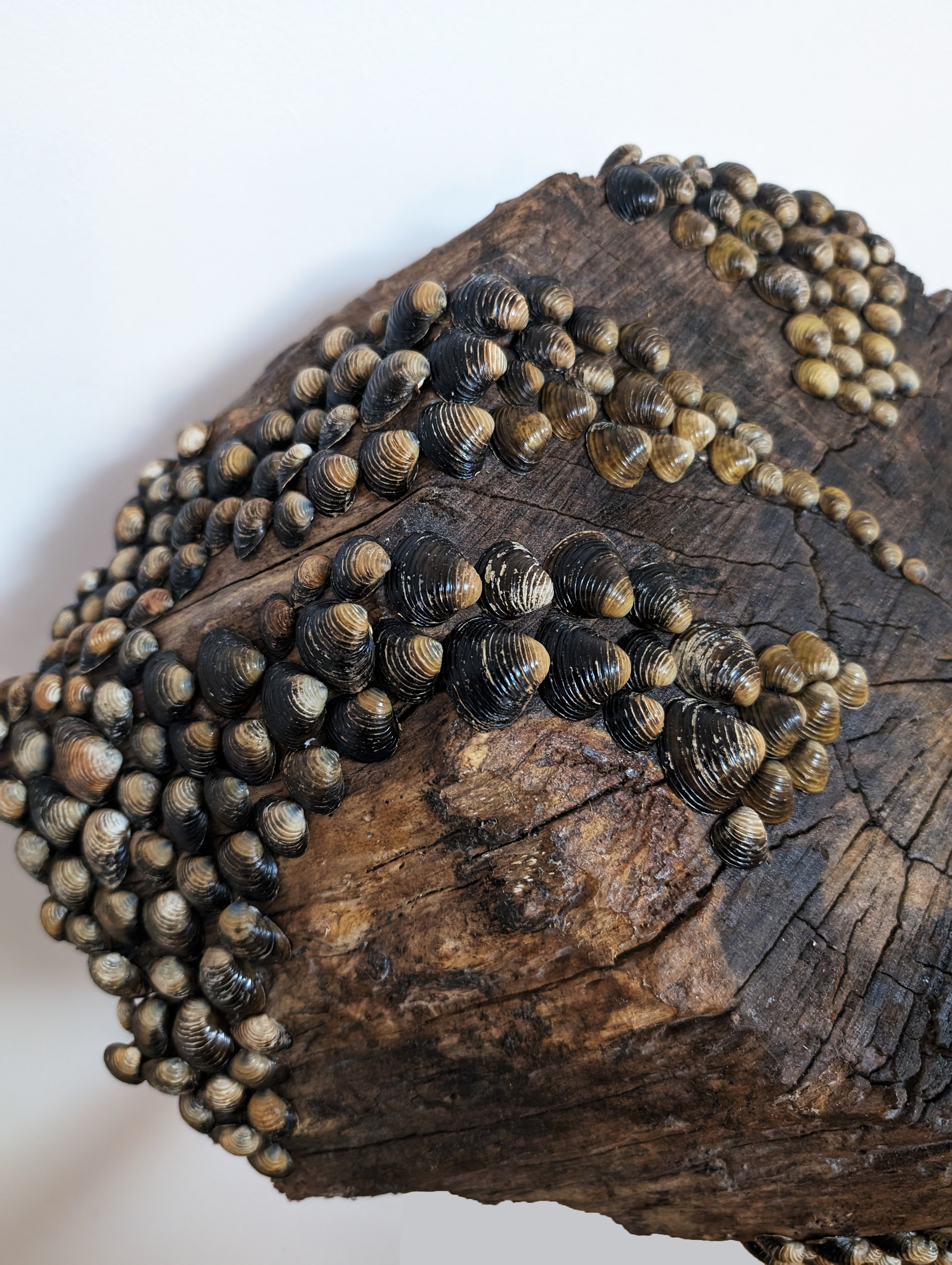
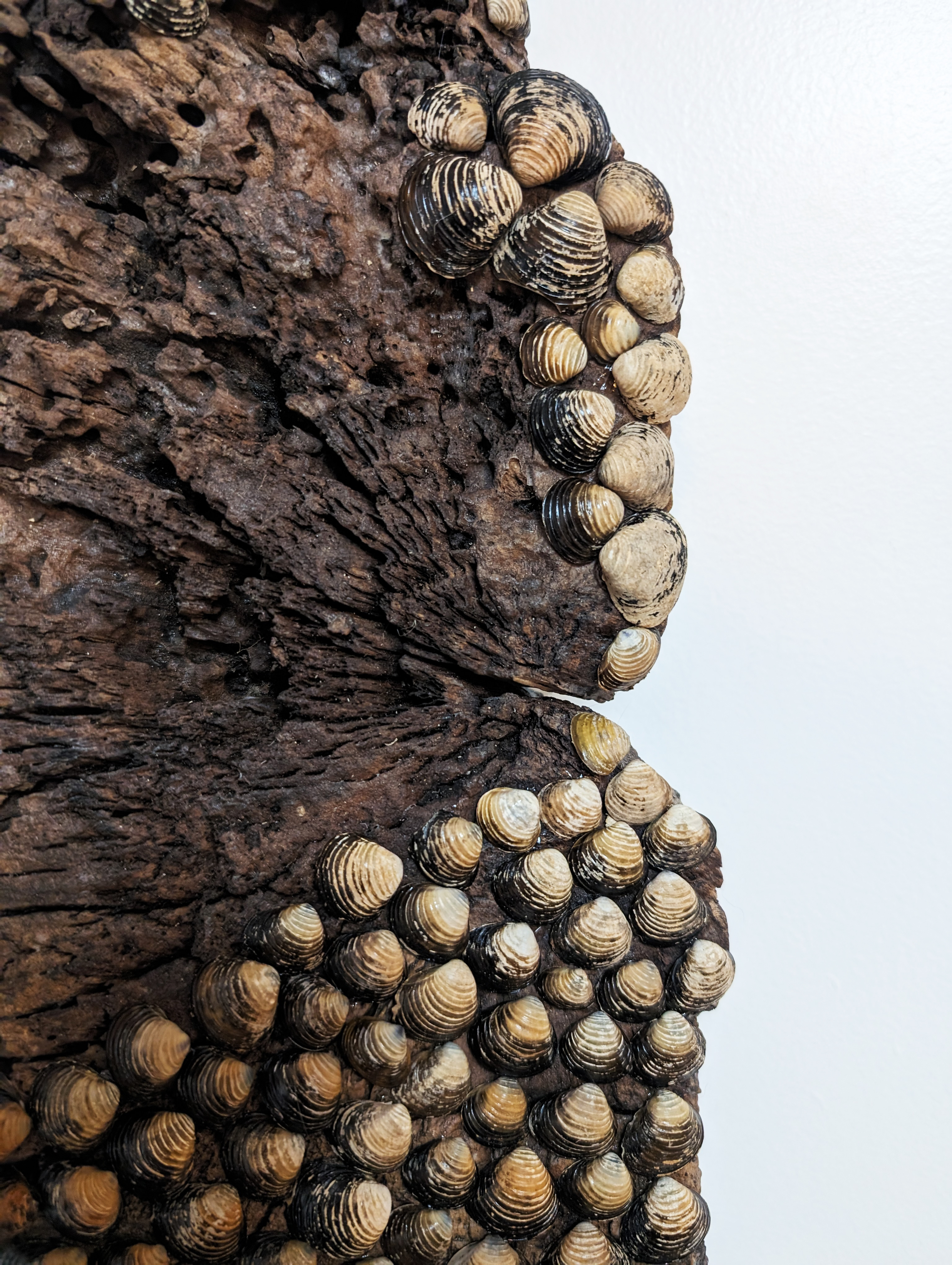
In October 2018, Hurricane Michael swept into the Florida panhandle. It was the strongest hurricane to ever make landfall in Florida, strengthening to a Category 5 overnight, leaving no time to issue an evacuation.
In 2020, I returned to the nearby beach for the first time. The storm surge had severed the cape from the mainland, and the road had only recently been re-built. Where the houses once stood was blank sand. In the middle was one piece of driftwood, planted upright like a tree, strung with shells that sang in the wind.
As children, we gathered remnants of houses that washed up in the storms and built our own tiny forts from the beams. We waded in the shallows for mollusks and strung their holes into beads. We climbed the mounds of oyster shells after dinner, listening to the shells cascade like coins in the dark.
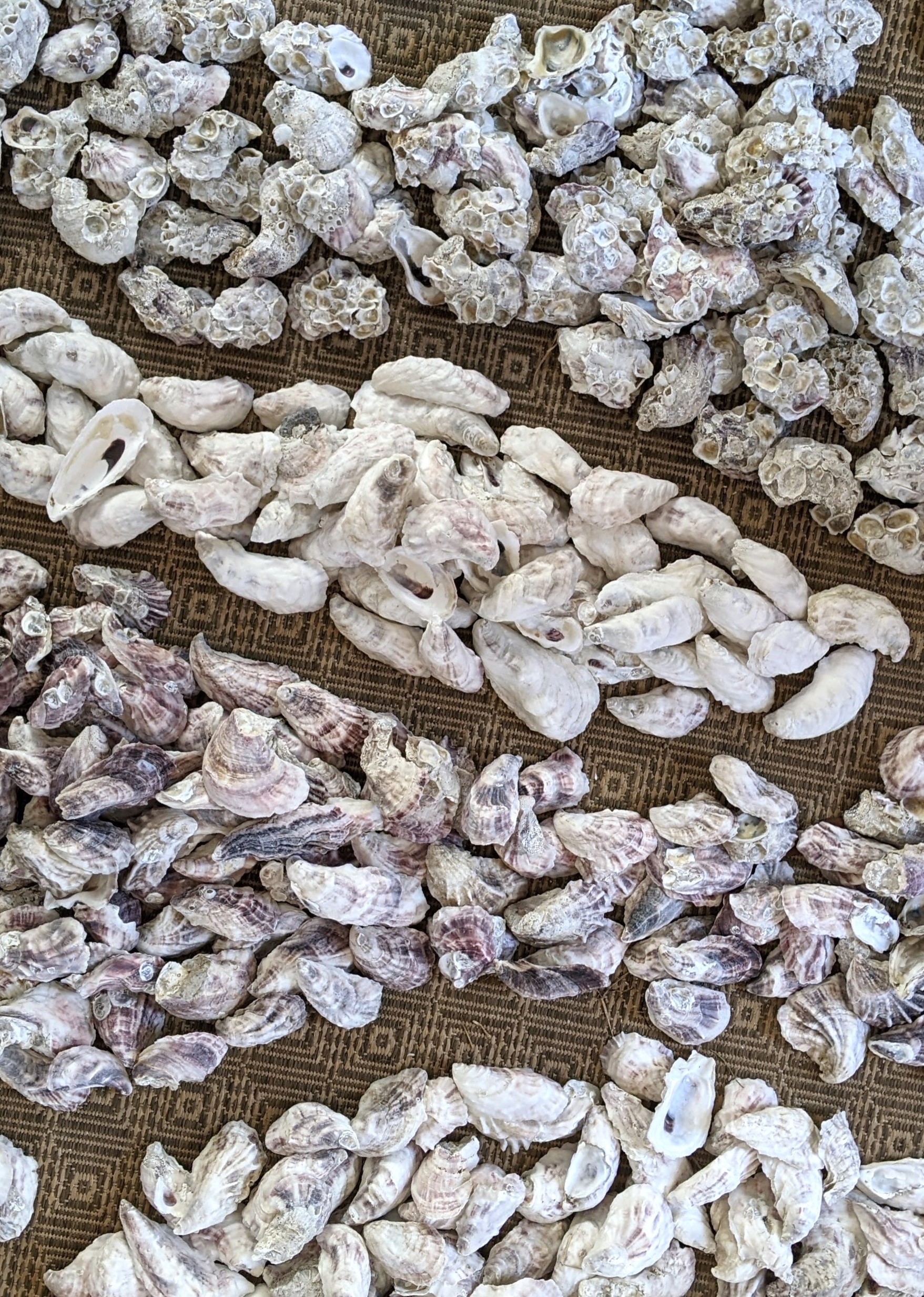
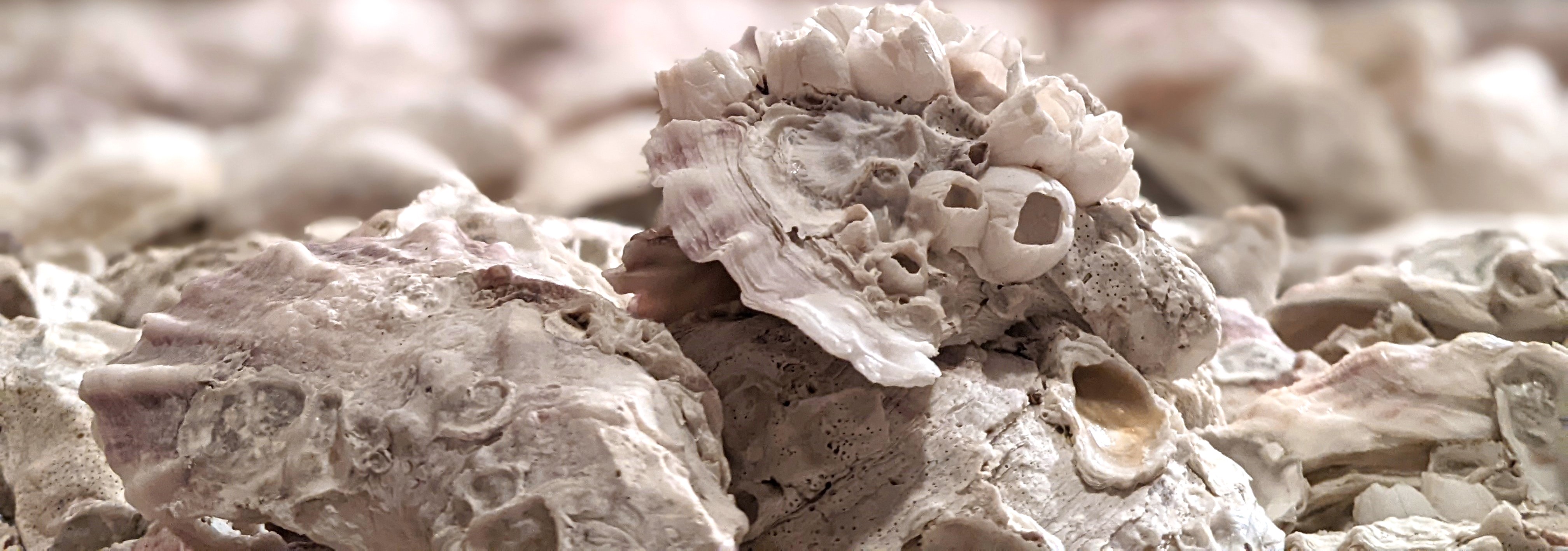
I wanted to rebuild these monsters from those memories. I planned to gather the wild, purple-streaked oyster shells native to Apalachicola, remembering the infinite mounds of them stacked outside every fish shack, bleached white as bone.
I drove fifteen hours from Michigan to Georgia, prepared to fill my dozen empty buckets. I found most of the fish shacks closed, their parking lots empty. I kept driving south toward the coast, checking behind every seafood restaurant building and scanning the nearby woods. Nothing.
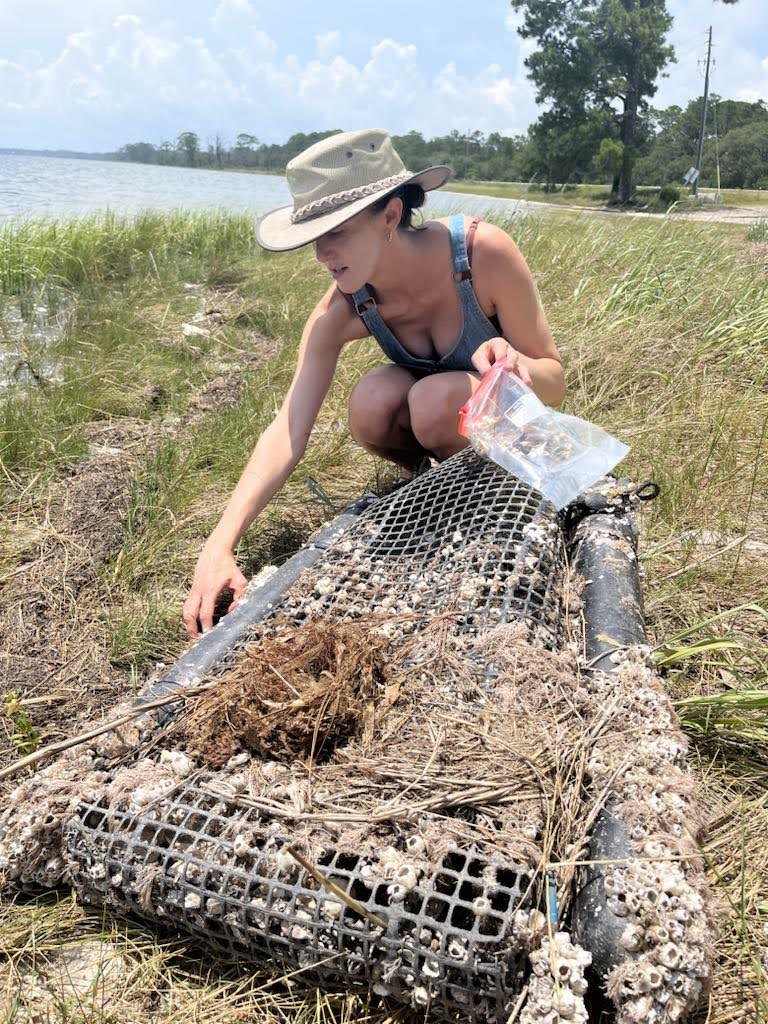
I knew the bays had been closed for oyster harvesting because of their decreasing numbers, but I didn’t expect a total absence. When I finally asked, I learned that shacks now donate their shells to be recycled into new oyster beds, in an effort to rejuvenate the dying populations. Although these efforts hold hope, the oysters’ absence in the landscape is a stark reminder of their demise.
Despite my original intention to make these sculptures a gathering of the familiar, they have become an act of foraging for semblances, reconstructing my own imaginations in order to remember that which has disappeared.
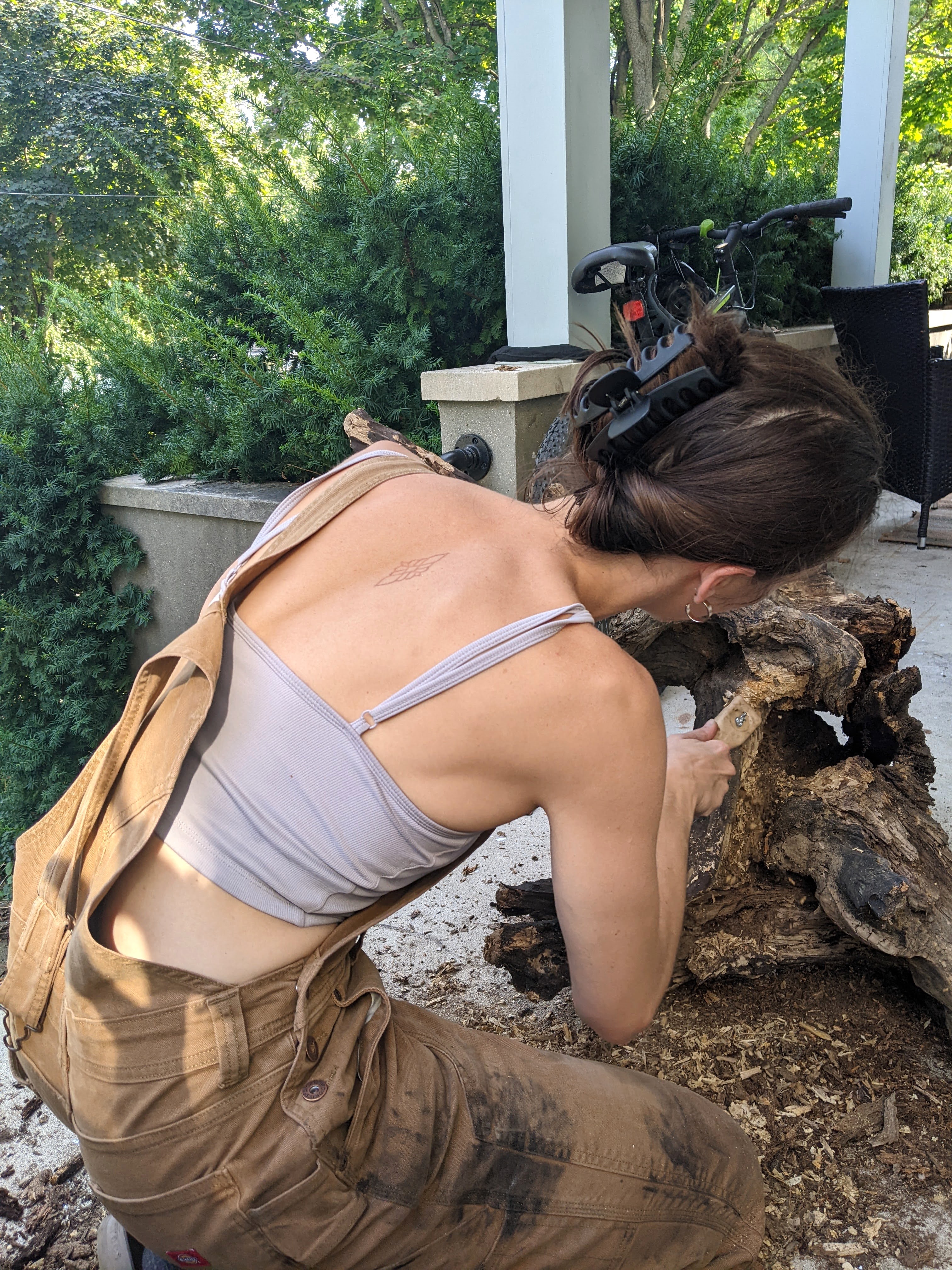
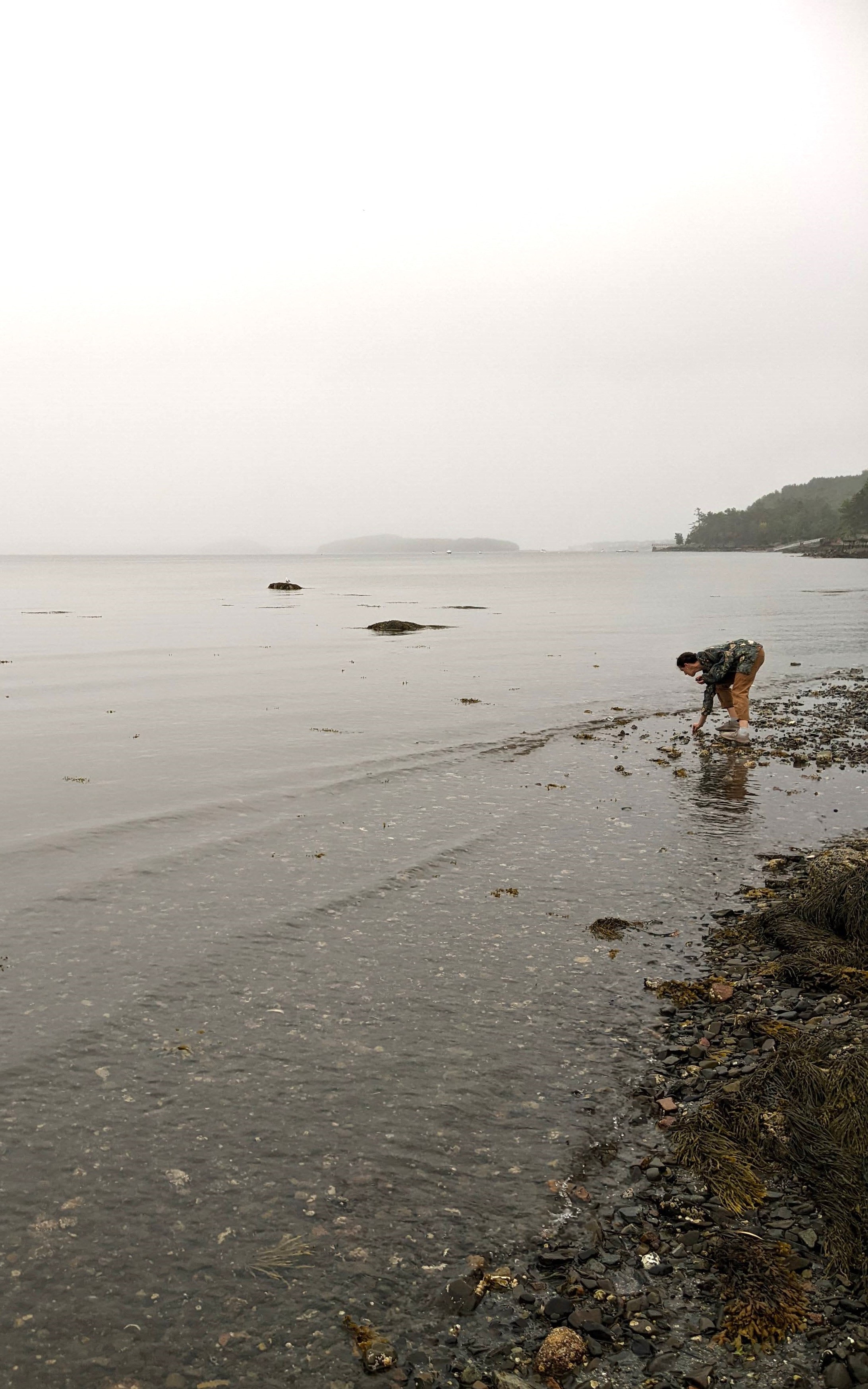
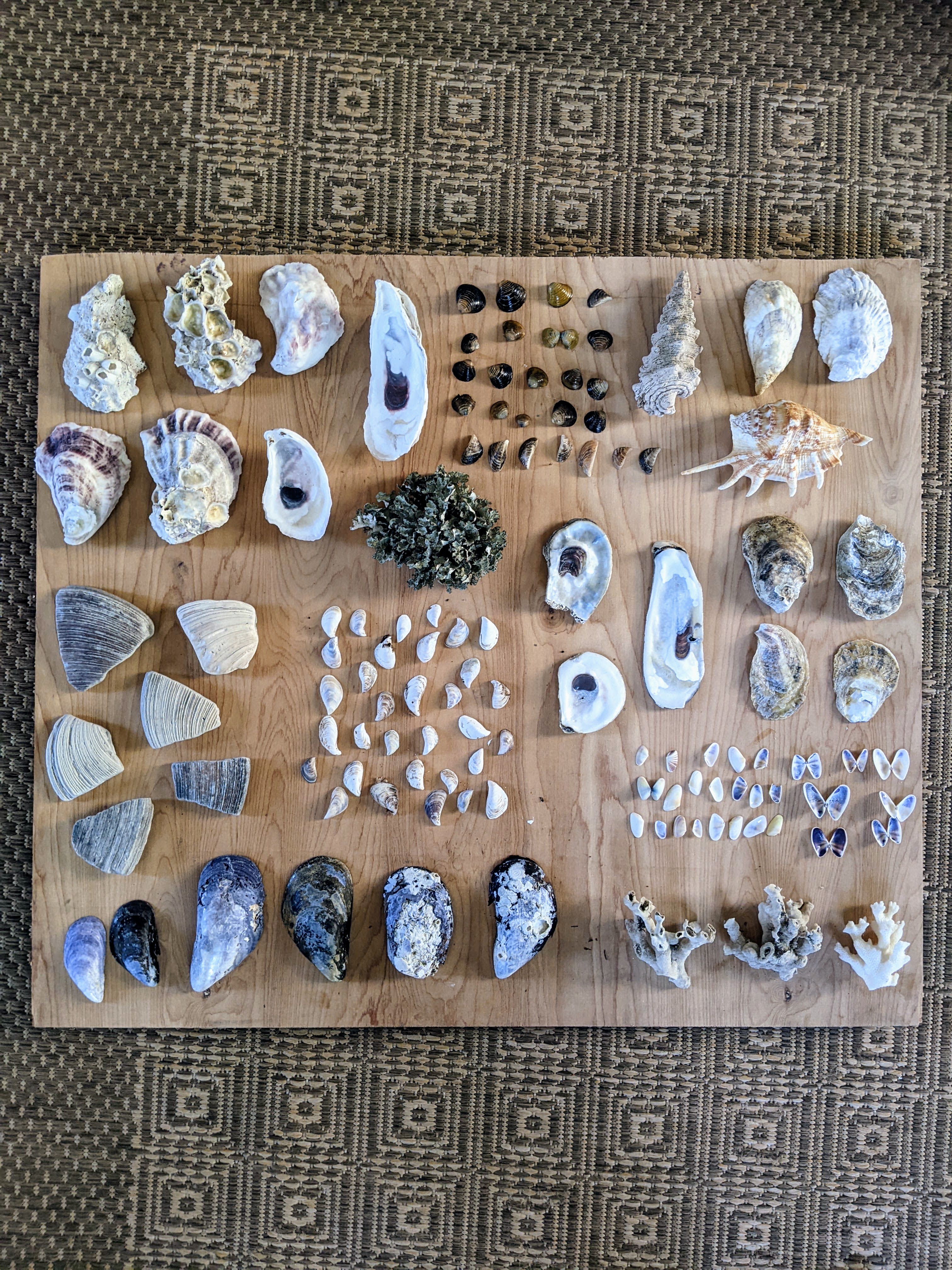
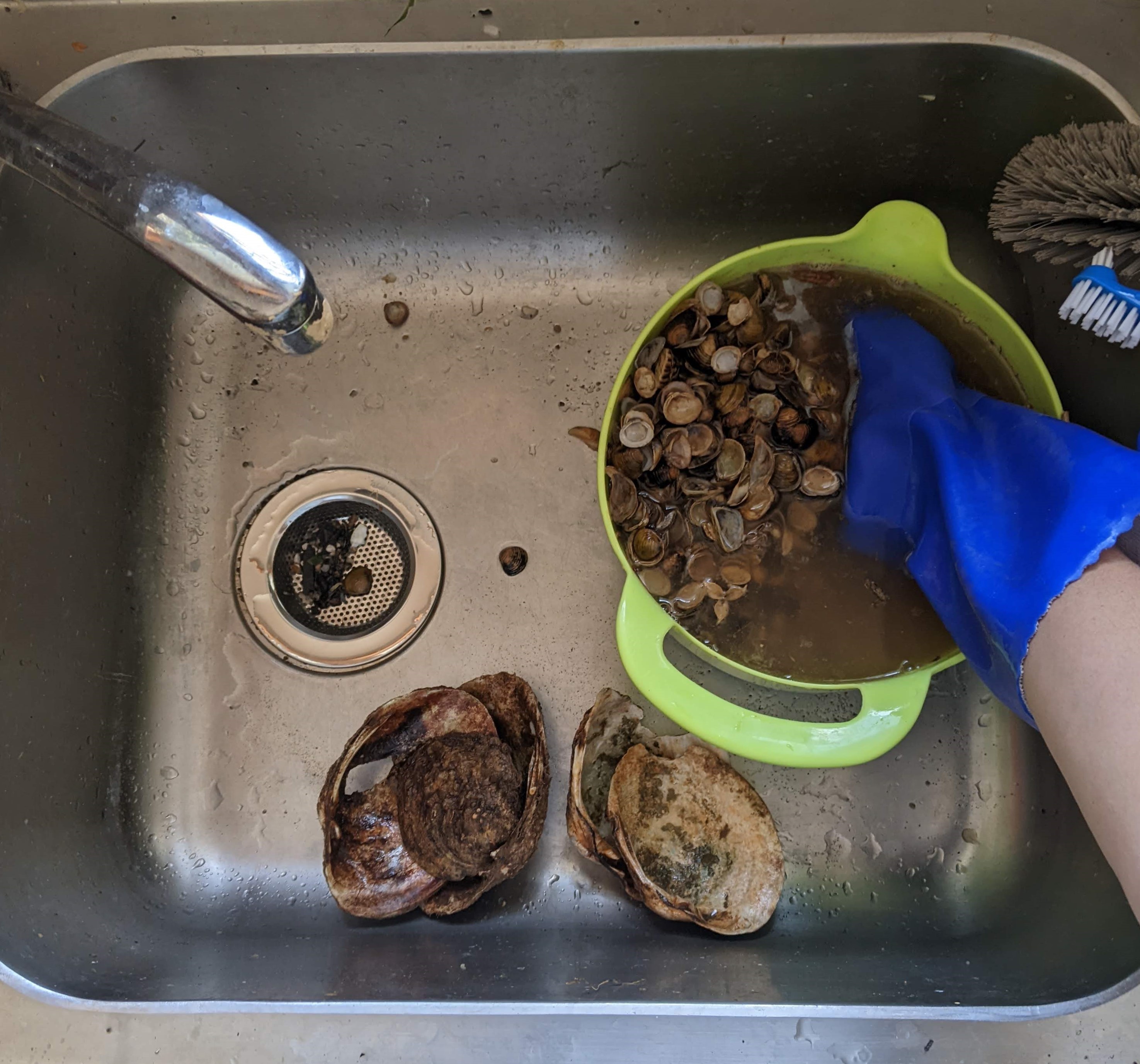
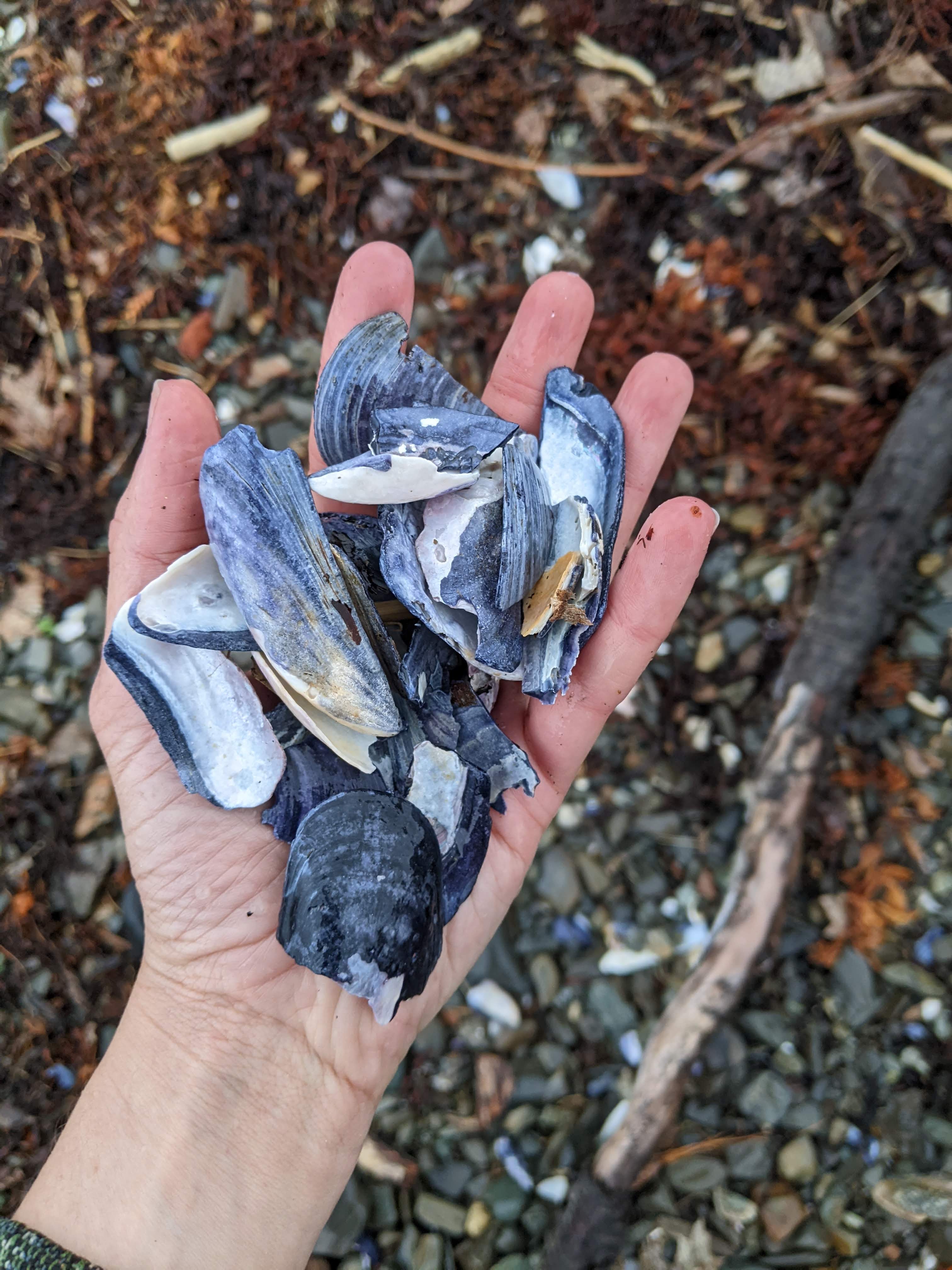
So instead, I have searched countless colder coasts, gathering the invasive quagga and zebra mussels from the Huron River, tree stumps from the forests of Michigan, coquinas from crowded Carolina beaches, blue mussels from the lighthouses of Maine, and flat oysters from the back alleys of generous midwestern seafood kitchens. I have scrubbed their mouths with a toothbrush in my kitchen sink and laid them each individually to dry in the sun.
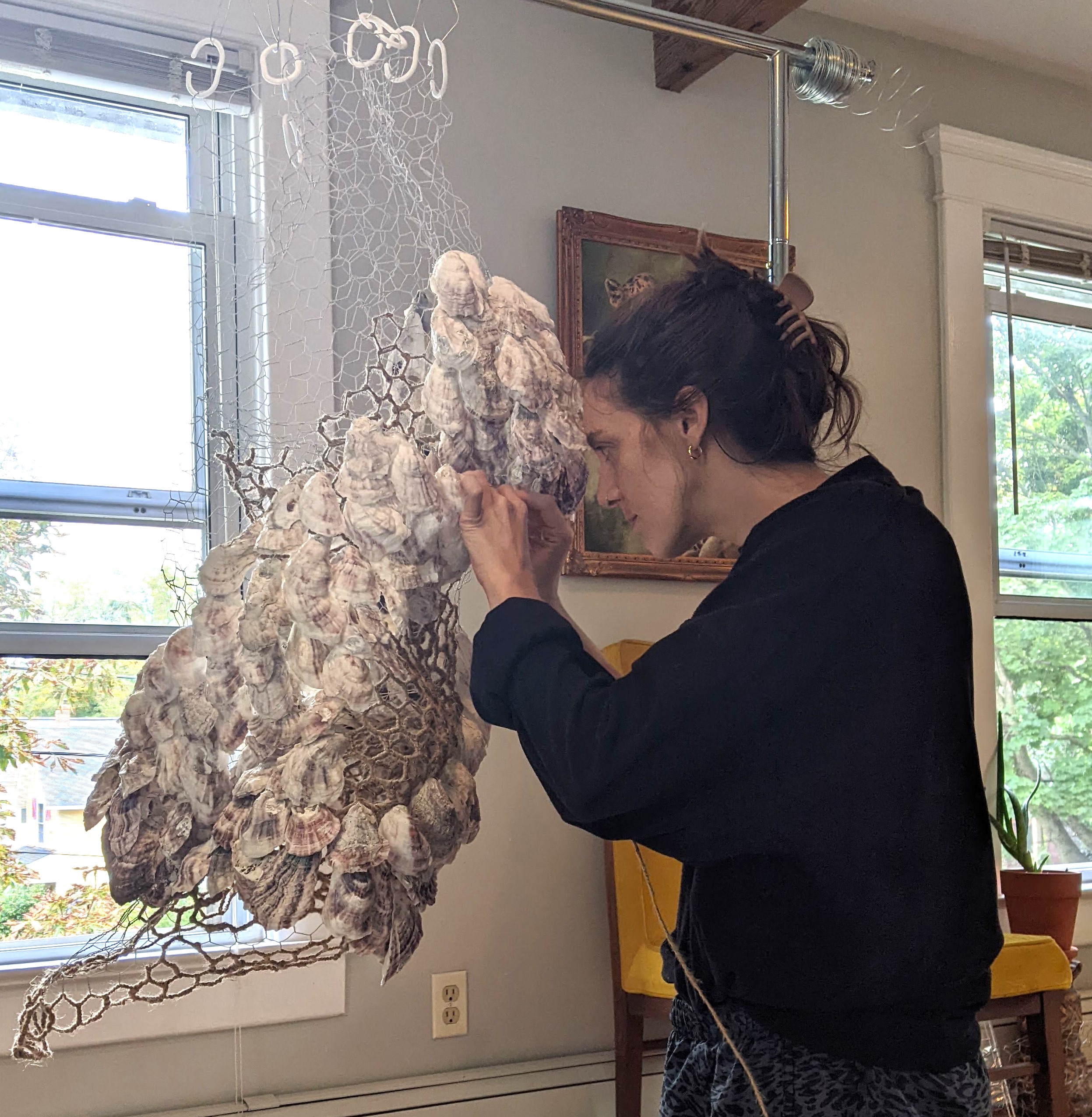
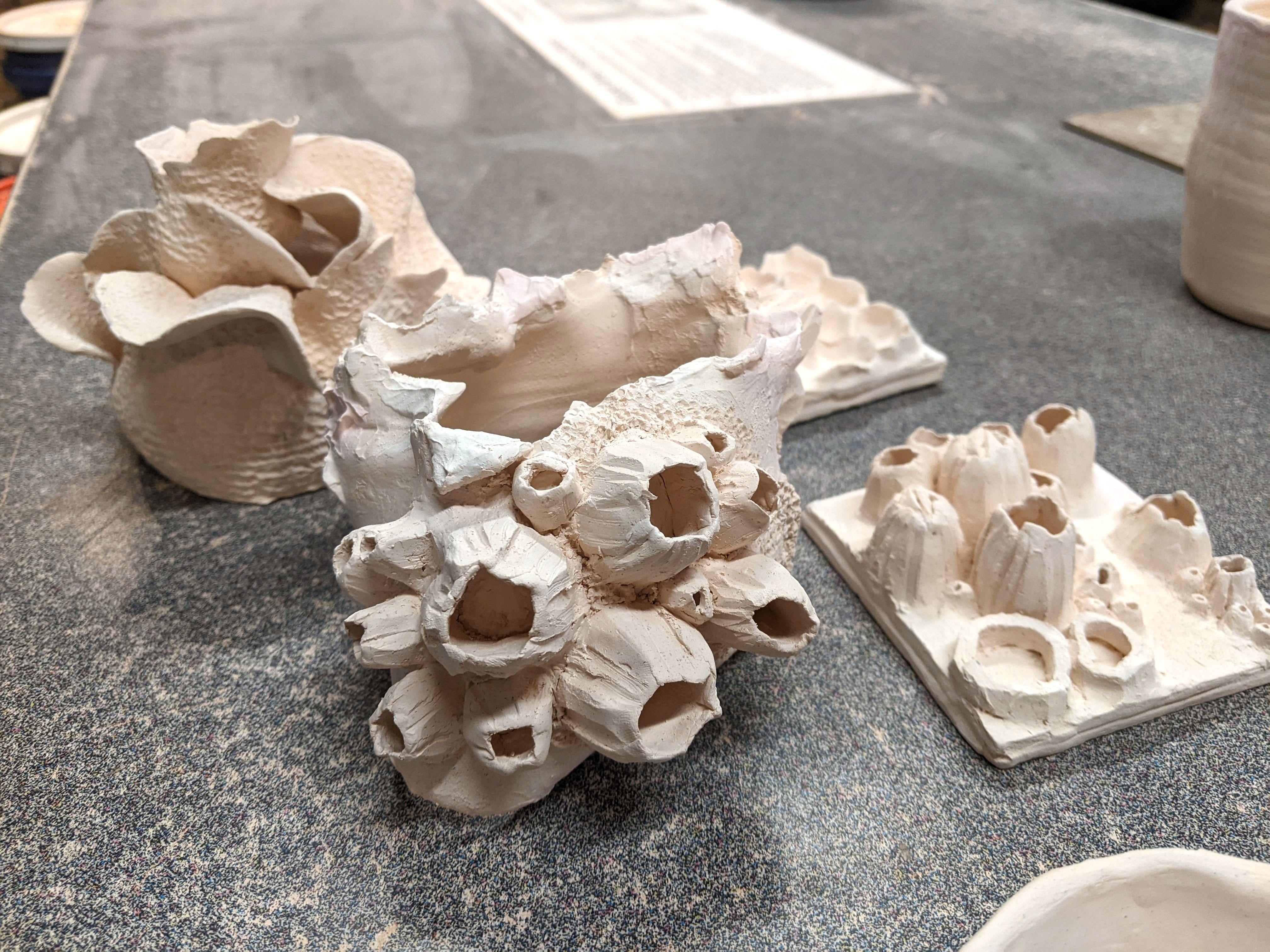
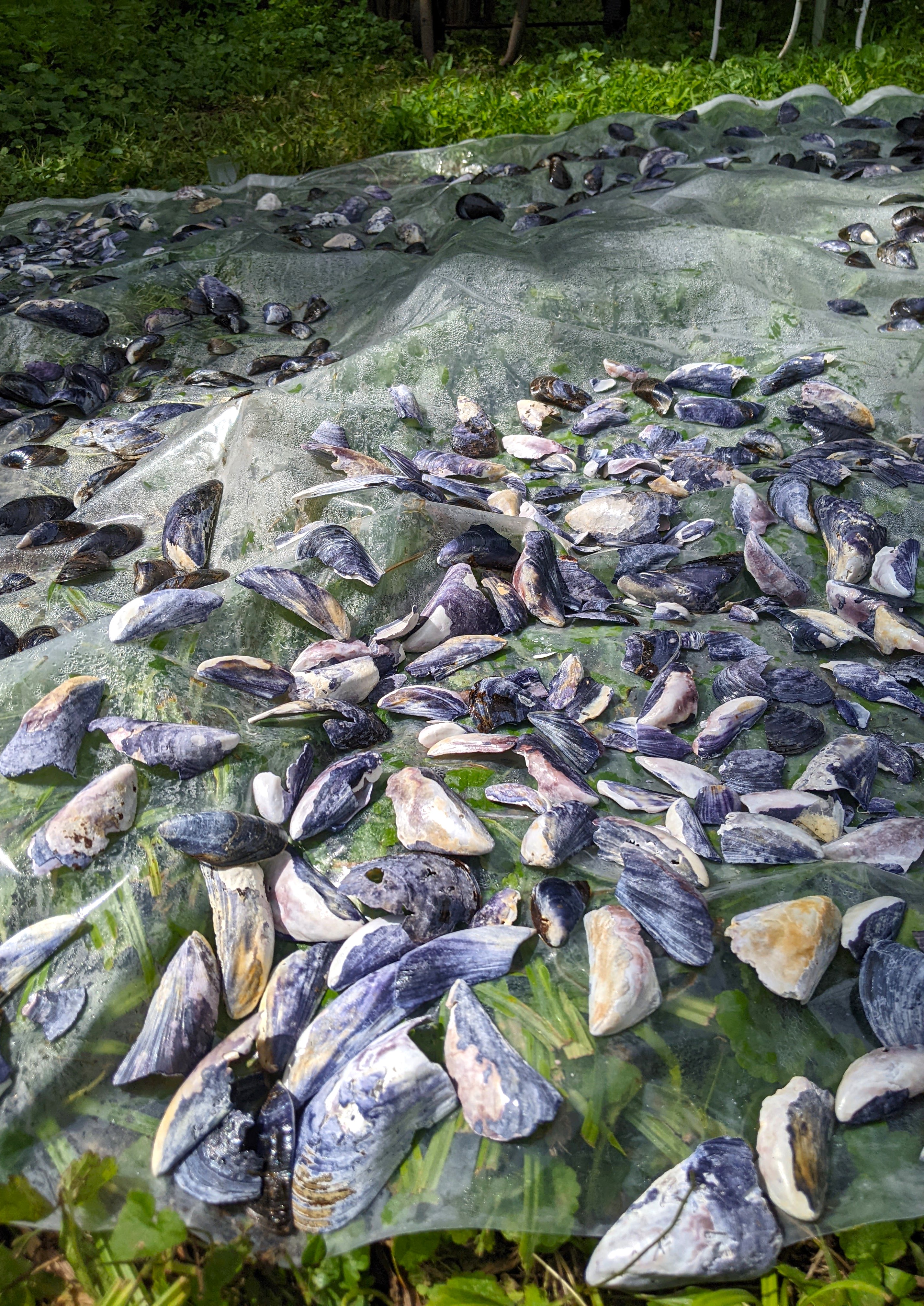
In the Gulf Coast, sea levels are rising 3.9 inches per year, triple the global average, due in equal parts to climate change and natural variability. The consequences are grave: chronic floods, loss of habitat, erosion, stronger hurricanes, bigger storm surges, and saltwater intrusion into rivers, drinking water.
As a child, it was magical to dig seashells from the garden and imagine the past as underwater. Now, these sculptures consider this past as future—an imagination of what would happen if these tiny, shelled, marine creatures inhabited our terrestrial environments. A reckoning with how things can be, by human definitions, both invasive and threatened, not unlike us. With this exhibit, I want to show how the things we often consider opposites may become increasingly synonymous: Floods and fire. Saltwater and freshwater. Invasion and extinction.
Much like Altie and Esti, these sculptures are now the creatures of my imagination. They are a reminder that we must keep these imaginations alive; we must continue to care for, to protect, to fight for the invisible, knowing their survival is our own.
